Leica: An Icon of Photography Since the 1920s
For nearly a century, Leica has embodied excellence in photography. Founded in Germany, the brand revolutionized the art of photography by introducing the first compact 35mm camera, making photography more accessible and spontaneous. Its legacy is intertwined with the history of modern photography, thanks to its use by the greatest photographers of the 20th and 21st centuries.
Revolutionary Beginnings: The 1920s and 1930s
In 1925, Leica (short for “Leitz Camera”) introduced the Leica I, designed by Oskar Barnack. This small camera, which used 35mm film previously reserved for cinema, revolutionized photography. It allowed photographers to capture everyday moments with unprecedented freedom. It quickly became the favorite tool of photojournalists and artists. Henri Cartier-Bresson made Leica his preferred camera as early as 1935.
The Rise of Photojournalism and the Leica M: The 1940s-1960s
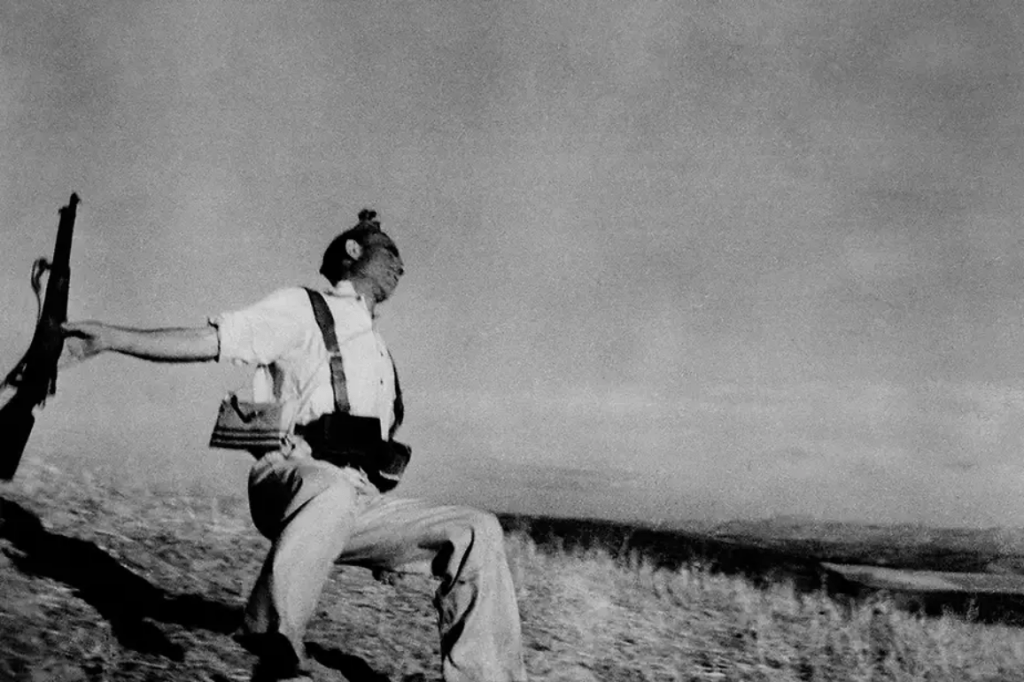
During World War II and the post-war period, Leica became an invaluable ally for photojournalists. Robert Capa used a Leica to capture the D-Day landings in 1944, producing some of the most striking images of the conflict. Henri Cartier-Bresson, the father of modern photojournalism, swore by his Leica M3, introduced in 1954. He applied his philosophy of the “decisive moment” thanks to the responsiveness and discretion of this camera.
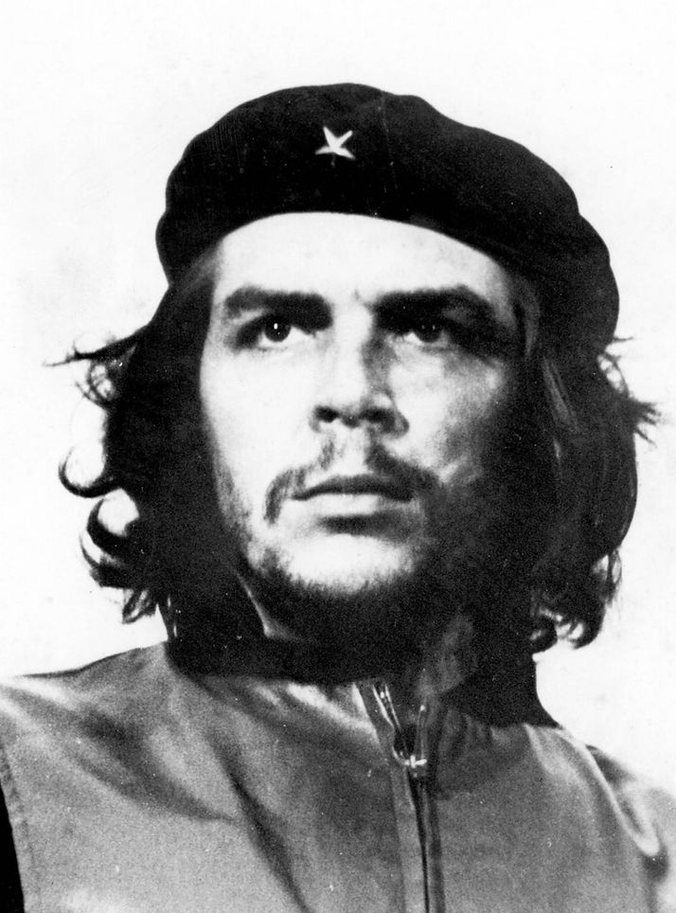
Many famous photographs have been taken with a Leica since World War II: the Soviet flag being planted on the Reichstag in Berlin in 1945 by Yevgeny Khaldei, the portrait of Che Guevara by Alberto Korda, La Fille à la fleur by Marc Riboud…
From the Vietnam War to Contemporary Photography: The 1970s-1990s
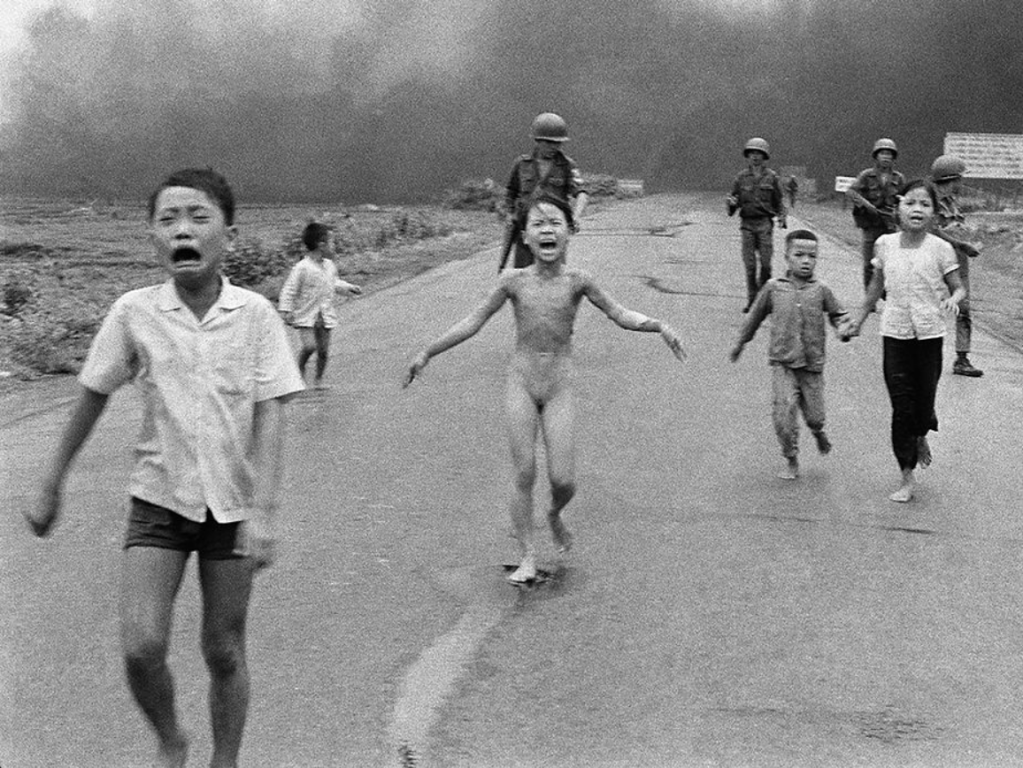
During the 1960s and 1970s, Leica accompanied reporters in every conflict zone. Nick Ut captured the poignant Napalm Girl photo with a Leica M2 in 1972, an image that changed the world’s perspective on the Vietnam War. Meanwhile, Sebastião Salgado used Leica to document the realities of labor and humanitarian crises, bringing an artistic dimension to social documentary photography.
And so many awesome photographers like Garry Winogrand, Annie Leibovitz, etc.
Leica in the 21st Century: Between Tradition and Innovation
Despite the rise of digital photography, Leica remains a benchmark thanks to its unparalleled optical quality and timeless design. The brand continues to equip renowned photographers such as Steve McCurry, the author of the iconic portrait Afghan Girl in 1984. Leica also innovates with digital models such as the Leica Q and Leica SL, combining the charm of rangefinder cameras with modern technology.

Personally, I adopted Leica more than ten years ago after working for a long time with a Canon AE1 and then Nikons. But holding a Leica in your hands also means becoming part of this brand’s immense history and walking, in some way, in the footsteps of the photographers I admire.
As if, through a Leica, one could see the world more clearly and feel emotions more intensely.
A Timeless Legacy
Today, Leica remains a symbol of excellence and exclusivity. The brand continues to attract both amateurs and professionals in search of a more artisanal approach to photography. Its impact on the history of imagery is undeniable, and its future remains promising, balancing tradition with technological innovation.
With Leica, the precious moment becomes eternal.
Grégory Herpe

Leave a comment